
Sub-Total: €0.00
CURRENT LEGAL ARTICLES
Succession - Conveyancing - Medical Negligence - Personal Injury - Solicitors
When Responsibility Fails: The Consequences of Neglecting Animal Welfare in Cork
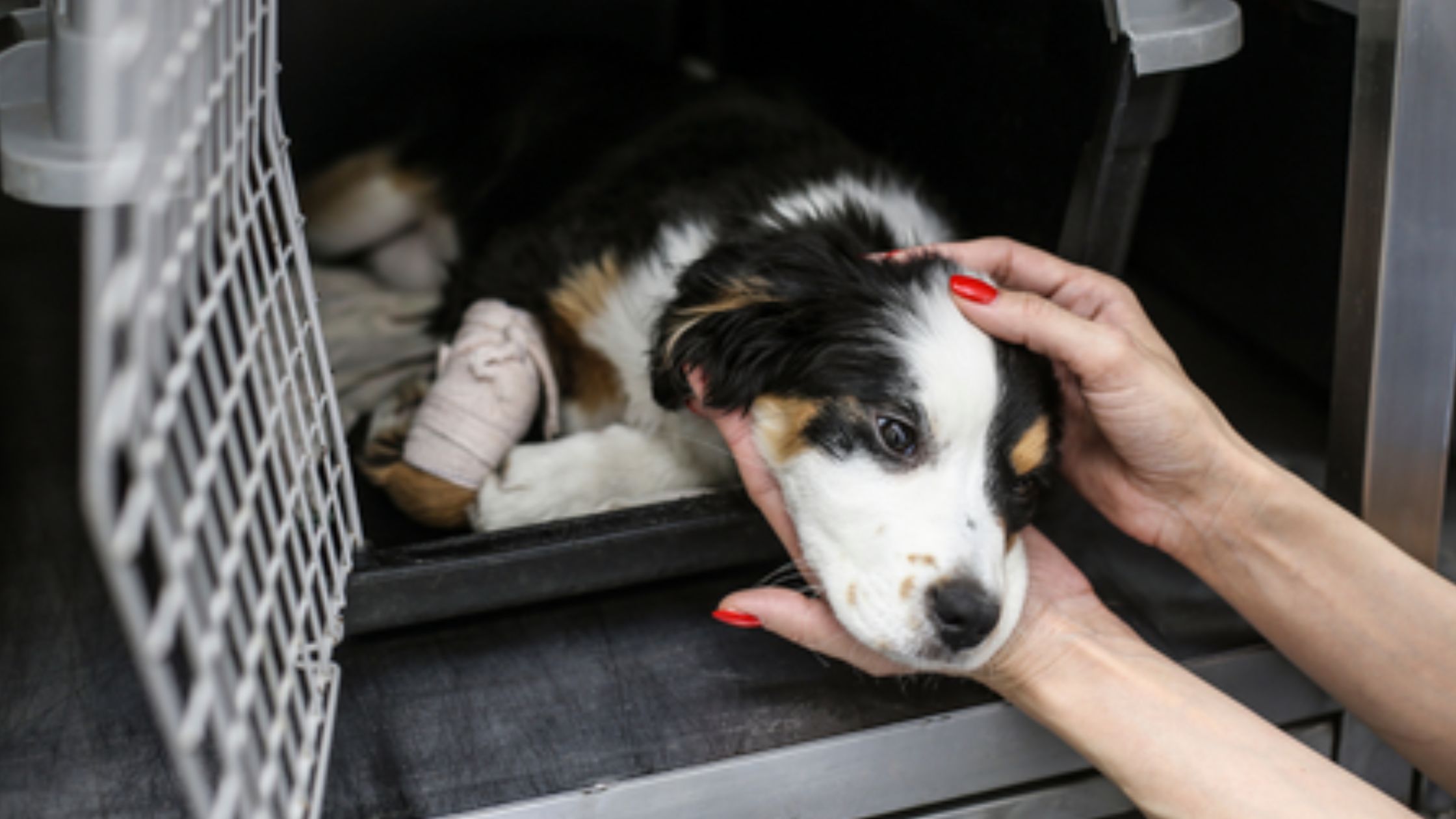
In discussions about law and responsibility, attention often focuses on human relationships — employers and employees, individuals and institutions, rights and obligations. Yet there is another area where responsibility plays an equally important role: how we treat animals.
Animal welfare is not simply a matter of personal choice or sentiment. It reflects a broader legal and ethical framework that shapes how society understands care, control, and accountability. In Cork, as in the rest of Ireland, the way animals are treated can have far-reaching consequences — not only for the animals themselves, but for communities and public safety.
Animal Welfare as a Reflection of Responsibility
At its core, animal welfare is about responsibility. Animals, whether domestic pets, farm animals, or wildlife, exist within environments shaped largely by human decisions. They rely on people for food, shelter, safety, and appropriate care.
When that responsibility is taken seriously, the result is stability — safer communities, healthier animals, and fewer risks. When it is neglected, the consequences can extend beyond individual cases and become matters of wider concern.
In Cork, awareness of animal welfare has grown in recent years, reflecting a broader understanding that responsibility is not optional — it is fundamental.
When Responsibility Fails
Neglecting animal welfare does not always arise from deliberate harm. In many situations, it stems from a failure to recognise the level of care required or the risks involved.
Examples of this can include:
- Failing to properly control a dog in public or private spaces
- Inadequate supervision of animals in environments where others may be present
- Lack of understanding of animal behaviour and potential risk
- Poor living conditions or insufficient care
While these issues may appear isolated, they often reveal a deeper problem — a gap between responsibility and action.
In a legal context, such failures can lead to consequences that affect not only animal welfare but also public safety and personal injury.
The Wider Impact on Communities
The effects of neglecting animal welfare are rarely confined to a single incident. In Cork, as in other communities, the impact can be broader:
- Increased risk of injury to members of the public
- Distress or harm caused to other animals
- Strain on local services and enforcement bodies
- Erosion of trust within communities
These outcomes highlight an important point: animal welfare is not a private matter alone. It is closely linked to how communities function and how safety is maintained.
A Legal Perspective on Animal Welfare
The law recognises that responsibility for animals carries obligations. While legal frameworks provide structure, they are ultimately built on a simple principle — those who have control must act responsibly.
In practice, this means:
- Taking reasonable steps to prevent harm
- Understanding the nature and behaviour of animals under one’s care
- Ensuring appropriate supervision and control
- Acting promptly where risks arise
When these standards are not met, legal consequences may follow. However, the role of the law is not only to respond after harm occurs, but also to encourage responsible behaviour before issues arise.
Prevention Through Awareness and Care
One of the most effective ways to address animal welfare concerns is through awareness. Understanding responsibility in practical terms can prevent situations from escalating.
This includes:
- Recognising the needs of different animals
- Being aware of environments where risks may increase
- Taking proactive steps to manage behaviour and surroundings
- Seeking guidance where uncertainty exists
In Cork, many of the issues that arise could be avoided through early awareness and thoughtful action. Prevention, in this context, is not only beneficial — it is essential.
Balancing Compassion and Accountability
Animal welfare often involves a balance between compassion and accountability. While empathy plays an important role, it must be accompanied by practical responsibility.
This balance is reflected in how society approaches animal care:
- Compassion ensures that animals are treated humanely
- Accountability ensures that standards are maintained
Without accountability, good intentions may not be enough. Without compassion, responsibility can lose its meaning.
The law operates at the intersection of these ideas, reinforcing the importance of both.
The Role of Society in Shaping Standards
Animal welfare standards do not exist in isolation. They evolve alongside societal expectations and values.
In Cork and across Ireland, there is a growing recognition that:
- Animal welfare reflects broader ethical standards
- Responsible care contributes to safer environments
- Legal frameworks must adapt to changing expectations
This ongoing development highlights the importance of collective responsibility — not only at an individual level, but across communities and institutions.
Frequently Asked Questions
Why is animal welfare considered a legal issue?
Animal welfare becomes a legal issue where responsibility, safety, and duty of care are involved, particularly where harm or risk arises.
Can neglecting animal welfare affect public safety?
Yes, inadequate control or care of animals can increase the risk of injury and create wider safety concerns within the community.
Is animal welfare only relevant to pet owners?
No, it applies more broadly to anyone responsible for animals, including those involved in farming, care, or supervision.
What is the most important aspect of responsible animal care?
Understanding the needs and behaviour of the animal, combined with consistent supervision and appropriate control.
Conclusion
Animal welfare is often discussed in terms of kindness and compassion, but it is equally a matter of responsibility. When that responsibility is fulfilled, it supports not only the wellbeing of animals but also the safety and cohesion of communities.
When it is neglected, the consequences can extend far beyond the immediate situation, affecting individuals, public safety, and the broader social fabric.
In Cork, as elsewhere, the relationship between responsibility and care remains central. By recognising this connection, it becomes possible to prevent harm, uphold standards, and contribute to a more balanced and considered approach to animal welfare.
Contact Details
For advice on animal welfare laws or compliance, contact the team for clear and practical legal guidance.
Dylan Green & Associates Solicitors
Office: Horgan’s Quay, The Waterfront Square, CORK, T23 PPT8
Phone: 021 470 8570
Email: info@greensolicitors.ie
Disclaimer
This article is intended for general informational purposes only and does not constitute legal advice. Specific circumstances may differ, and appropriate advice should be sought where required.