
Sub-Total: €0.00
CURRENT LEGAL ARTICLES
Succession - Conveyancing - Medical Negligence - Personal Injury - Solicitors
Workplace Safety in Ireland: Legal Duties and the Responsibility to Protect Employees
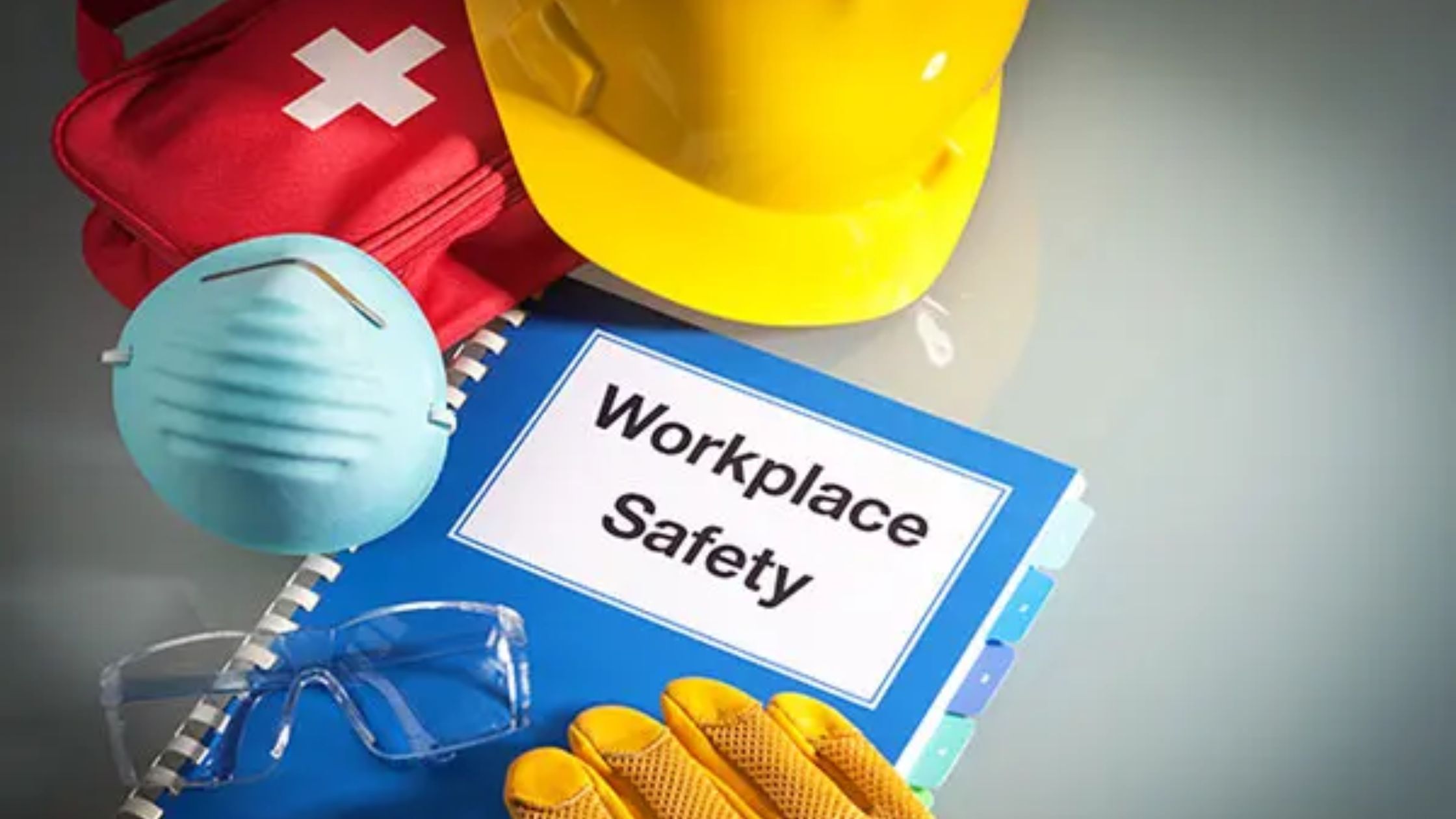
Workplace safety is a fundamental aspect of employment law in Ireland, ensuring that employees can carry out their duties in a secure and healthy environment. Employers are legally obligated to take proactive steps to prevent accidents, injuries, and health risks in the workplace. Understanding these responsibilities is essential for both employers and employees, as failure to comply can result in serious legal consequences.
What Is Workplace Safety Under Irish Employment Law?
Workplace safety refers to the legal framework that protects employees from harm during their work. In Ireland, employment law requires employers to provide working conditions that do not threaten physical or mental health.
For example, employers must maintain safe equipment, provide proper training, and implement effective safety procedures. In addition, they must continuously review and improve these measures.
The primary legislation governing workplace safety in Ireland is the Safety, Health and Welfare at Work Act 2005, which clearly outlines the duties of both employers and employees.
Legal Duties of Employers in Ireland
Employers must follow several legal responsibilities to protect their workforce. Most importantly, these duties are mandatory and must be followed at all times.
1. Provide a Safe Working Environment
Employers must keep the workplace free from hazards. For instance, they should maintain clean premises, ensure proper ventilation, and fix risks like slippery floors or faulty equipment immediately.
2. Conduct Risk Assessments
In addition, employers must identify and assess potential risks regularly. After that, they should take appropriate steps to eliminate or reduce those risks.
3. Provide Training and Supervision
Employers must train employees properly so they can perform tasks safely. Furthermore, they should provide supervision where necessary to prevent mistakes.
4. Supply Proper Equipment
Employers must provide suitable personal protective equipment (PPE) whenever required. This may include helmets, gloves, safety goggles, or high-visibility clothing.
5. Prepare a Safety Statement
Finally, every employer must create a written safety statement. This document explains how the company manages risks and protects employees.
Responsibilities of Employees
Workplace safety is a shared responsibility. While employers lead, employees must also contribute.
Employees should:
- Follow all safety procedures and instructions
- Use equipment properly
- Report hazards immediately
- Avoid unsafe behavior
As a result, workplaces become safer and more efficient.
Common Workplace Hazards
Understanding common risks is an important part of maintaining safety under employment law. Some of Several risks commonly occur in workplaces across Ireland. For example:
- Slips, trips, and falls
- Manual handling injuries
- Exposure to harmful substances
- Stress and mental health issues
- Machinery-related accidents
Therefore, employers must address these hazards proactively.
The Role of the Health and Safety Authority (HSA)
The Health and Safety Authority (HSA) is the national body responsible for enforcing workplace safety laws in Ireland. It conducts inspections, provides guidance, and can take enforcement action against employers who fail to meet their obligations under employment law.
Penalties for non-compliance can include fines, prosecution, and even imprisonment in serious cases. This highlights the importance of maintaining strict adherence to safety standards.
What Happens If Workplace Safety Is Breached?
When an employer fails to meet their duties under employment law, employees may have the right to take legal action. This can arise in cases involving workplace injuries, unsafe conditions, or negligence.
Employees may be entitled to compensation if it can be proven that the employer failed to take reasonable steps to ensure safety. Legal claims are typically handled through the appropriate legal channels, and professional advice is strongly recommended.
Promoting a Culture of Safety
Creating a safe workplace goes beyond legal compliance. Employers should foster a culture where safety is a priority and employees feel empowered to speak up about concerns.
This can be achieved by:
- Encouraging open communication
- Conducting regular safety training
- Reviewing and updating safety policies
- Involving employees in safety planning
A proactive approach not only ensures compliance with employment law but also improves productivity and employee well-being.
When to Seek Legal Advice
Both employers and employees may need legal guidance when dealing with workplace safety issues. Whether it involves drafting safety policies, responding to inspections, or handling injury claims, expert legal support can make a significant difference.
Frequently Asked Questions (FAQs)
1. What is the main law governing workplace safety in Ireland?
The Safety, Health and Welfare at Work Act 2005 is the primary legislation under Irish employment law that outlines employer and employee responsibilities.
2. Do all employers need a safety statement?
Yes, every employer in Ireland is legally required to prepare and maintain a safety statement under employment law.
3. Can an employee refuse unsafe work?
Yes, employees have the right to refuse work if they believe it poses a serious and immediate risk to their health or safety.
4. What should I do if I’m injured at work?
You should report the incident immediately, seek medical attention, and consider getting legal advice to understand your rights under employment law.
5. Who enforces workplace safety laws in Ireland?
The Health and Safety Authority (HSA) is responsible for enforcing workplace safety regulations.
Conclusion
Workplace safety is a critical component of employment law in Ireland, placing clear responsibilities on employers to protect their employees. By understanding legal duties, implementing proper safety measures, and fostering a culture of awareness, businesses can reduce risks and ensure compliance. Employees, in turn, benefit from safer working conditions and stronger legal protections.
For expert legal guidance on workplace safety and employment-related matters, Green & Associates Solicitors is here to help.
Contact Details
Office: Horgan’s Quay, The Waterfront Square, CORK, T23 PPT8
Phone: 021 470 8570
Email: info@greensolicitors.ie
Contact: Dylan Green & Associates Solicitors
The experienced employment law solicitors at Dylan Green & Associates Solicitors can help you understand your options, assess your case, and guide you through the legal process.
Disclaimer
This article is for general informational purposes only and does not constitute legal advice. While every effort has been made to ensure accuracy, employment law can change, and individual circumstances may vary. You should consult a qualified solicitor for advice specific to your situation.