
CURRENT LEGAL ARTICLES
Succession - Medical Negligence - Personal Injury - Solicitors
What to Do After a Road Traffic Accident in Ireland: A Step-by-Step Guide
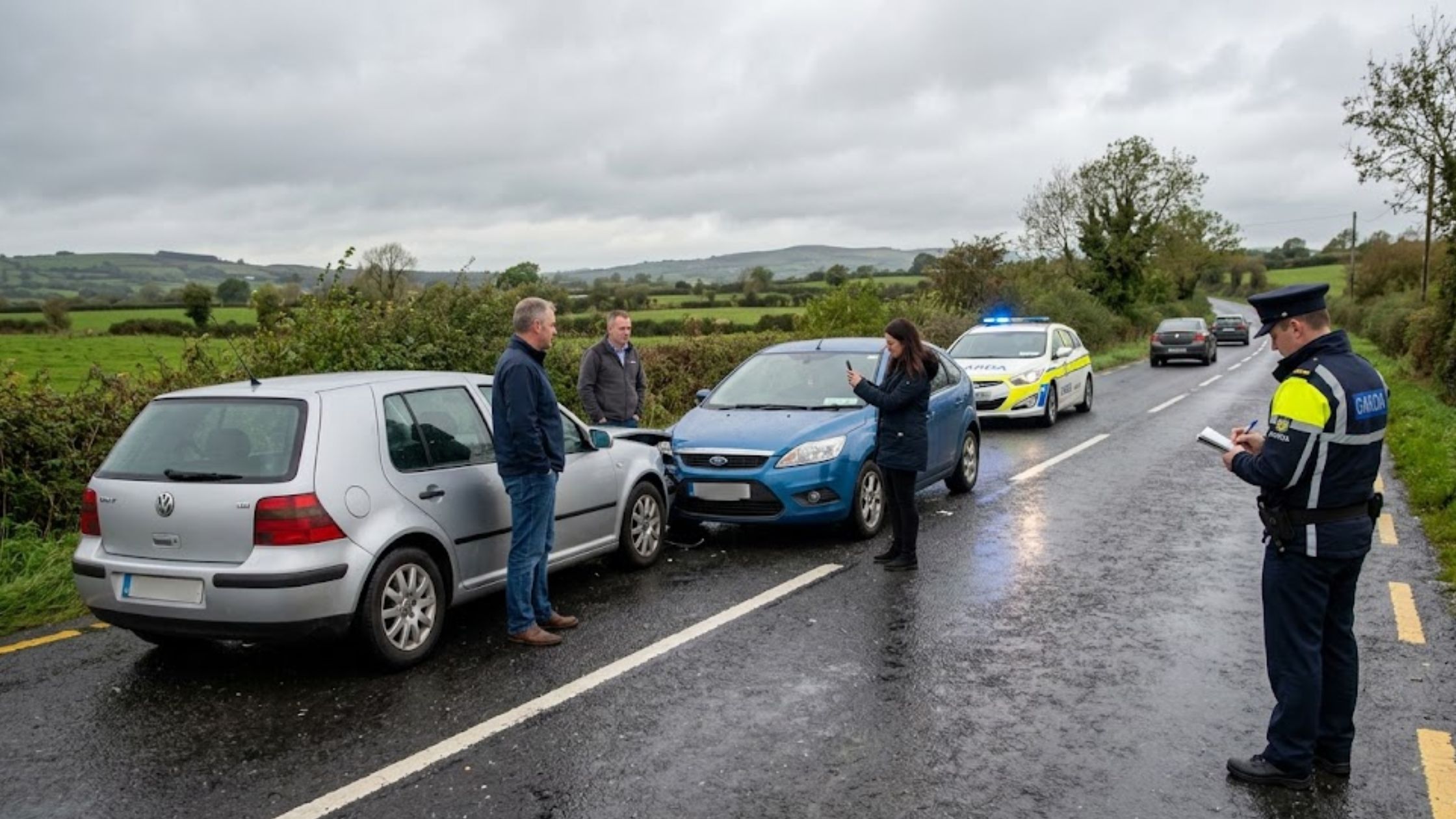
Being involved in a road traffic accident (RTA) is a traumatic experience that can leave even the most composed person in a state of shock. In the immediate aftermath, the decisions you make are critical not only for your safety but also for protecting your legal rights and future wellbeing.
At Green & Associates Solicitors, we have guided countless clients through the complexities of the Irish legal system following a collision. To help you navigate this difficult time, we have outlined the essential steps you should take if you are involved in an accident on Irish roads.
1. Prioritise Safety and Seek Medical Help
Your first priority is always safety. Stop your vehicle immediately—failing to do so is a criminal offence under the Road Traffic Act.
- Check for Injuries: Assess yourself and your passengers.
- Secure the Scene: If possible, move the vehicles to a safe location and turn on your hazard lights.
- Medical Attention: Even if you feel “fine,” the rush of adrenaline can mask symptoms of whiplash, concussion, or internal injury. Visit your GP or an Emergency Department as soon as possible. A medical record created shortly after the accident is vital evidence for any future claim.
2. Contact An Garda Síochána
In Ireland, you are legally required to report an accident to the Gardaí if someone is injured or if there is significant property damage.
- If the Gardaí attend the scene, note the name and station of the attending officer.
- If they do not attend (which often happens in minor “fender benders”), you should visit your nearest Garda station as soon as possible to report the incident and ensure it is recorded in the Pulse system.
3. Exchange Information
Irish law requires drivers to exchange certain details at the scene. Ensure you collect:
- Name, address, and contact number of the other driver(s).
- Vehicle registration number, make, and model.
- Insurance details (Insurance company name and policy number). You can usually find these on the insurance disc on the windscreen.
4. Gather Evidence at the Scene
If it is safe to do so, use your smartphone to document the scene:
- Photos/Video: Capture the positions of the vehicles, damage to all cars, road markings (skid marks), and road conditions (weather, lighting).
- Witnesses: If bystanders saw the accident, ask for their names and contact numbers. Their independent testimony can be invaluable if liability is disputed later.
- Dashcam: If you or a witness has dashcam footage, ensure it is saved immediately.
5. Notify Your Insurer
Inform your insurance company about the accident promptly. Provide them with the facts but be careful not to admit liability or sign any “full and final settlement” offers from the other party’s insurance company without first consulting a solicitor.
6. Consult a Specialist Solicitor
The Irish personal injury claims process has undergone significant changes recently, including the introduction of the Personal Injuries Guidelines and the new mediation services offered by the Injuries Resolution Board (formerly PIAB).
Navigating these regulations requires expert knowledge. At Green & Associates Solicitors, we assess the strength of your case and ensure you meet the strict two-year Statute of Limitations for filing a claim.
FAQ: Frequently Asked Questions
Q: How long do I have to make a claim?
In Ireland, you generally have two years from the date of the accident to initiate a legal claim. However, it is always best to seek legal advice immediately while evidence and memories are fresh.
Q: What if the other driver is uninsured or flees the scene?
You may still be able to seek compensation through the Motor Insurers’ Bureau of Ireland (MIBI). This body was set up to compensate victims of uninsured or untraced (“hit and run”) drivers.
Q: Does every case have to go to court?
No. Most road traffic accident claims in Ireland are resolved through the Injuries Resolution Board or via out-of-court settlements negotiated by your solicitor. Court proceedings are typically a last resort.
Q: Can I claim it if I was a passenger?
Yes. Passengers are almost never at fault for an accident and are entitled to seek compensation for injuries sustained, regardless of which driver was responsible.
Conclusion
The road to recovery after an accident is not just physical it is financial and legal too. By following the steps above, you protect yourself from being left out of pocket for medical bills, lost wages, and vehicle repairs. Remember, you do not have to face this alone.
Contact Green & Associates Solicitors
If you have been involved in a road traffic accident and need expert legal guidance, we are here to help. Our team provides compassionate, professional, and strategic legal support to clients across Ireland.
- Phone: 021 470 8570
- Email: info@greensolicitors.ie
- Offices: Horgan’s Quay, The Waterfront Square, Cork, T23 PPT8, Ireland
- Website: https://greensolicitors.ie
Disclaimer
This blog post is intended for informational purposes only and does not constitute legal advice. Every case is unique, and legal regulations are subject to change. For advice specific to your circumstances, please contact a qualified solicitor. In contentious business, a solicitor may not calculate fees or other charges as a percentage or proportion of any award or settlement.